Sourdough Pancakes

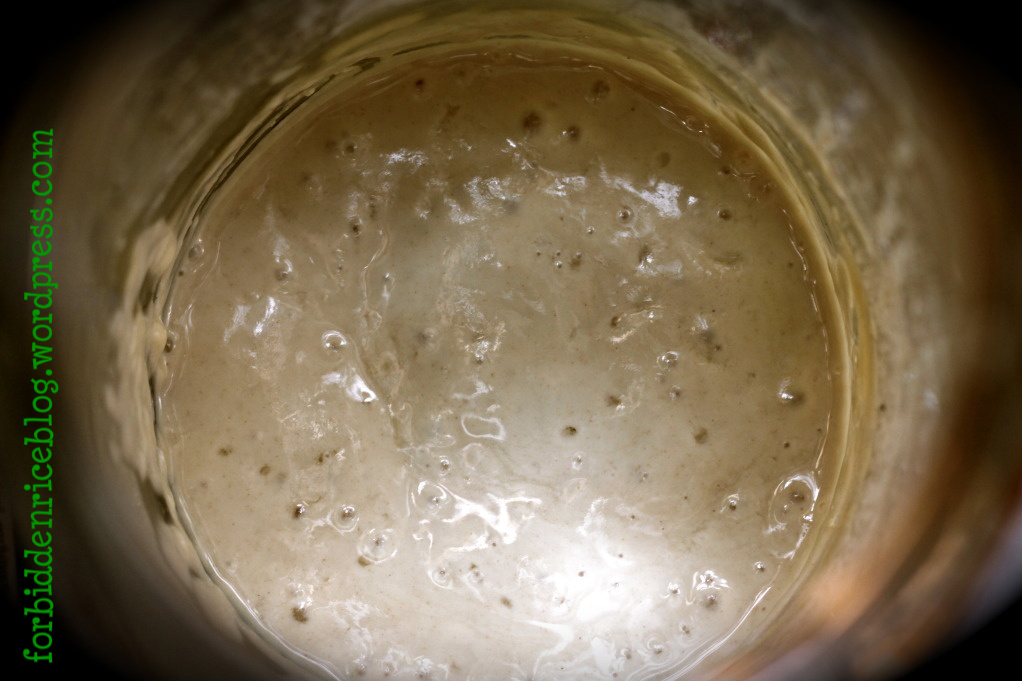
With my sourdough baby colony currently residing in the refrigerator, I’ve been thinking of ways to put these little dudes and dudettes to work. Pancakes are asked for in our house pretty often. If I ask Silas what he wants for breakfast, it’s often a 50-50: pancakes or an egg sandwich. I get worn out on pancakes. Maybe I never quite grew out of my hesitations about pancakes first thing in the morning (for dinner? Sure thing!).

I’ve seen recipes for sourdough pancakes in the past, but never had a starter to use. I don’t think I ever ate a sourdough pancake until I made these. This recipe’s pretty straightforward. It does take preparation, as the starter sits half-prepared for pancakes overnight. Personally, I like that you do part of the work the night before, because it means less for my half-awake brain to remember in the morning!

We didn’t do anything fancy with these. They were perfectly sourdough-tasting and just slightly sweet: a perfect vehicle for fresh sliced fruit and maple syrup. You can easily throw in some blueberries or chocolate chips. Or whatever else sounds good to you!


Sourdough Pancakes

yields approx. 18- 4”pancakes

Ingredients:

for the sponge:
½ cup sourdough starter
1¼ cups unbleached flour
2½ tbsp. sugar
1 cup milk

for the pancake batter:
1 sponge recipe
2 eggs
2 tbsp. butter, melted
1½ tsp. baking powder
¼ tsp. vanilla extract

¼ – ½ tsp. oil


Directions:

Prepare the sponge by combining the sourdough starter, flour, sugar, and milk in a large bowl. Mix well to combine completely, then cover with plastic wrap and leave at room temperature overnight.

In the morning, beat the two eggs, melted butter, baking powder, and vanilla together until combined. Whisk into the sponge batter that has been sitting out overnight, until all the ingredients are well blended.

Preheat your oven to 200º F. Place a baking pan with a lid in the oven.

Heat the oil in a large nonstick pan over medium high. Use a paper towel to wipe out the excess oil. Test a drop of batter to make sure the pan is hot enough (the drops should puff up and bubble immediately, without burning). If the test drops are ready, spoon about 3 tablespoons of batter per pancake onto the hot pan. Cook until the top of each pancake becomes bubbly, then flip with a spatula. Cook for an additional minute or two, until the pancake is cooked all the way through. Place the cooked pancakes into your baking pan in the oven until all the batter is used up.

Serve hot with your favorite pancake toppings and enjoy!

Posted in Bread, Breakfast, Kids, Vegetarian | Tagged , , , , , , , | 1 Comment

Avocado Green Tomato Salsa

I love recipes that come from unplanned tweaking. Most of the time. For the last couple weeks, I’ve seen great, fresh tomatillos in the food co-op. When we planned a little dinner party for this week, I decided on black bean, corn, poblano empanadas.  To top them, a nice tomatillo avocado sauce sounded necessary. As it turned out, of course, the day I went to pick up these lovely green tomatillos, they were completely gone. What to do? Not what I did at first – walk around the grocery store flustered and befuddled about what to do when your main ingredient is nonexistent. Make a red salsa even though it doesn’t sound nearly as good as an option for your empanadas? No. Scan the store for some pre-made version? No. Scour your brain for what you can use as a replacement to still make a green sauce? Oh yes.

I noticed red tomatoes on the vine that were very ripe. Didn’t want to go there. Next, I noticed cherry tomatoes. Still, mostly ripe. Then I noticed one single pint of grape tomatoes under the cherry ‘maters. Nearly every single one was green or yellow-green. Perfect. Now, a green tomato looks kind of like a tomatillo, but they’re not the same thing. I wasn’t sure this sauce would work, but decided to risk the chance anyway.

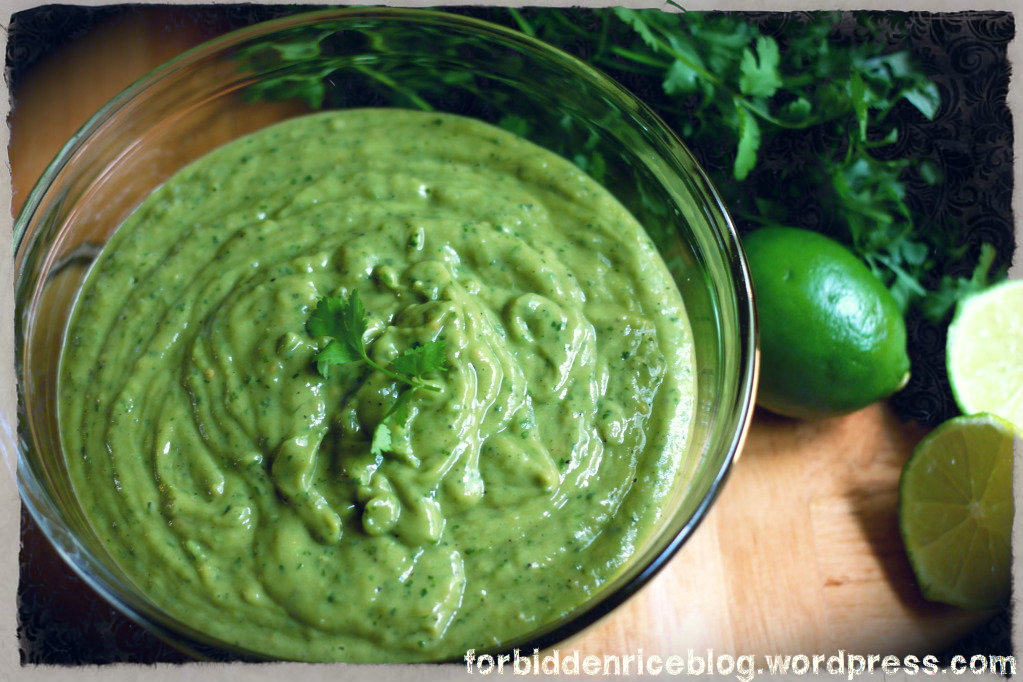
While typically you leave the skins on tomatillos, I decided to peel my little grape tomatoes. I didn’t want tough, tart skin particles in the end results. The green tomatoes worked well and the sauce ended up creamy, green, delicious. I left mine a bit thick, almost to the consistency of guacamole, but you can thin it out with more lime juice if desired. I’d easily make this again as a side dish with chips, or as a sauce for fresh fish tacos. And my husband? He says it’s his new favorite sauce for everything.

Avocado Green Tomato Salsa

 Ingredients:
1 pint green grape or cherry tomatoes
2 cloves garlic
1 poblano pepper, roasted (easy in the oven or open flame) and peeled
3 avocadoes, peeled and seeded
½ a sweet onion
1 handful of fresh cilantro
juice from 2 limes
¼ tsp. ground cumin
¼ tsp. ground coriander
salt and pepper to your liking
Directions:

First we want to peel the tomatoes. Use a paring knife and slice a shallow “X” in the bottom of each tomato. Bring a small pot of water to boiling. Dump the marked tomatoes into the boiling water for a minute, then fish out with a slotted spoon, plunging the tomatoes into cold water (this stops the cooking and also loosens the skin further). Peel the skin away from the cooled tomatoes.

Place the tomatoes in your high powered blender or food processor. Add the garlic, roasted poblano pepper, avocadoes, onion, cilantro. Blend until smooth, then add in the lime juice, cumin, and coriander. Blend again until smooth, then taste and add salt and pepper to your liking.

The sauce/salsa will last in the refrigerator up to one week, covered with plastic wrap (air pressed out) or in a airtight jar.

Posted in Appetizer, Dinner, Gluten-Free, Kids, Sauces, Vegan, Vegetarian | Tagged , , , , , , , , , , , , | 5 Comments

Homemade Sourdough Bagels

My sourdough starter has become one of my new favorite tools and ingredients in our kitchen. I am sure the novelty will wear off eventually, but for the time being its been fun. Fresh bagels somewhere at the top of my list of favorite foods to eat. I could easily eat fresh bagels daily. Plain, toasted, topped with cream cheese, as a vehicle for an egg sandwich, sweet, savory. I could be classified as a bagel glutton. (Happily.)

The idea for sourdough bagels sounded phenomenal. I don’t think I’ve ever had a sourdough bagel before, although I know it isn’t some radical new idea. My love for sourdough bread is about equivalent to my love of fresh bagels though, so it all seemed absolutely necessary.

I researched sourdough bagels near and far, pulling a little of this and a little of that from everything I was reading, thus ending up with the following recipe. While many (most) of the recipes I reviewed called for malt syrup, I decided to forego that and use what I already had: pure cane syrup straight from Louisiana. Cane syrup is sweeter than molasses, but I think either would work just fine. Or even plain cane sugar if that’s what you have. Also, I should say I’ve never weighed out ingredients before like I did with this recipe, but keeping things exact is a good plan for this dough. The hardest part about making these bagels is probably the two days it takes, most of which is simply waiting. But the wait’s definitely worth the end result!


Sourdough Bagels

yields approx. 10 bagels, 3½” in diameter

Ingredients:

for the sponge:
215 grams warm water
140 grams sourdough starter
¼ tsp. commercial yeast
180 grams unbleached flour
5 grams vital wheat gluten

for the dough:
¼ tsp. commercial yeast
130 grams unbleached flour
100 grams whole wheat flour
5 grams vital wheat gluten
6 grams sea salt
1½ tsp. molasses or pure cane syrup

water
1 tbsp. baking soda
¼ cup poppy seeds (optional)
½ cup grated sharp cheddar cheese (optional)
any other topping you’d prefer for your bagels–or leave them plain


Directions:

Prepare the sponge: In a large mixing bowl (preferably the one to your stand mixer), combine the warm water, sourdough starter, and yeast. Combine well. Stir in the unbleached flour and vital wheat gluten. Cover lightly with plastic wrap or a towel and allow the sponge to rest at room temperature for 2 hours.

Prepare the dough: After the sponge has rested for 2 hours, attach the bowl to your stand mixer, fitted with the paddle attachment. Stir in the ¼ tsp. yeast, salt, and molasses/syrup. Combine well, then add in the unbleached flour, whole wheat flour, and vital wheat gluten. No need to add the flour a little at a time. Keep mixing until all the ingredients become coherent. Use the dough hook now and allow it to knead your dough for about 10 minutes. If the dough becomes sticky, sprinkle in a little more unbleached flour. The dough should be elastic-like, but stiff. Cover the bowl with plastic wrap and allow it to rest at room temperature for one hour before refrigerating overnight (at least 10 hours).

Prepare your bagels: The next day, remove your dough from the fridge and allow it to come to room temperature for about an hour. Prepare two baking sheets, coating lightly with oil or silicone sheets, or parchment paper. Once the dough has reached room temperature, turn it out onto your work surface. Divide the dough into portions weighing about 100 grams (3½ ounces) each. Roll each portion into a tight, smooth ball. Pierce the middle of each ball with your thumb, then toss the ring around your index finger, stretching the hole your just made, forming your typical bagel shape. Make the hole in your bagel a little wider than you’d expect from a bagel—the dough will spring back both as it rests and while it’s boiling. Once all the bagels are formed and resting on your prepared baking sheets, let them sit for 10-15 minutes.

Preheat your oven to 500°F, with the two racks close to the center of your oven. Bring a wide pot of water (about 6-7 inches deep) to a boil. Add the baking soda to this water.

Check to see that your bagels are ready for poaching: Drop one of the bagels into a bowl of room temperature water. Within 10 seconds the bagel should float to the top of the bowl. If it doesn’t, allow the bagels to rest for an additional 5-10 minutes, then test again.

Cook the bagels: Once the bagels are ready, drop as many as will comfortably fit in your pot of water (I fit 5 at a time). Cook for one minute, then use a slotted spoon or skimmer to flip the bagel. Cook for 1-2 minutes (the longer, the chewier your bagel will be). Place the bagel, pretty side up, on your prepared baking sheets. Sprinkle the tops with your preferred topping (or leave plain if that’s the route you’re going).

When all of the bagels have been poached and coated to your liking, bake for 5 minutes. Switch the baking sheets—the bottom sheet to the top, top sheet to the bottom, rotating them front to back as well (to promote even cooking). Bake for an additional 5 minutes, or a few minutes longer to the darkness of your liking.

Transfer to a cooling rack and allow the bagels to cook 20-30 minutes at least before eating.   

Posted in Baking, Bread, Breakfast, Lunch, Vegetarian | Tagged , , , , , , | 1 Comment

Cheesy Skillet Lasagna with Vegetarian “Sausage”

I’m learning to enjoy grocery shopping more, although I am still fully capable of running into the store, getting exactly what I need in both lightning speed and robot fashion. I apologize to folks I know and still blatantly walk past in this manner; it’s not out of rudeness or little desire to stop and chat, but rather my goal to spend no more than 5 minutes in the grocery store.

Meal planning is not exactly (okay, not at all) my area of expertise. These two things go hand in hand. See, once upon a time I would plan meals for the week, which meant one long shopping trip getting everything I’d need for all these meals. Most people would probably aim to do that. I prefer the day to day wing-it method. Plus being able to make quick stops for what I need means I get my ingredients fresh and as needed, rather than letting them hang out in the fridge for a few days.

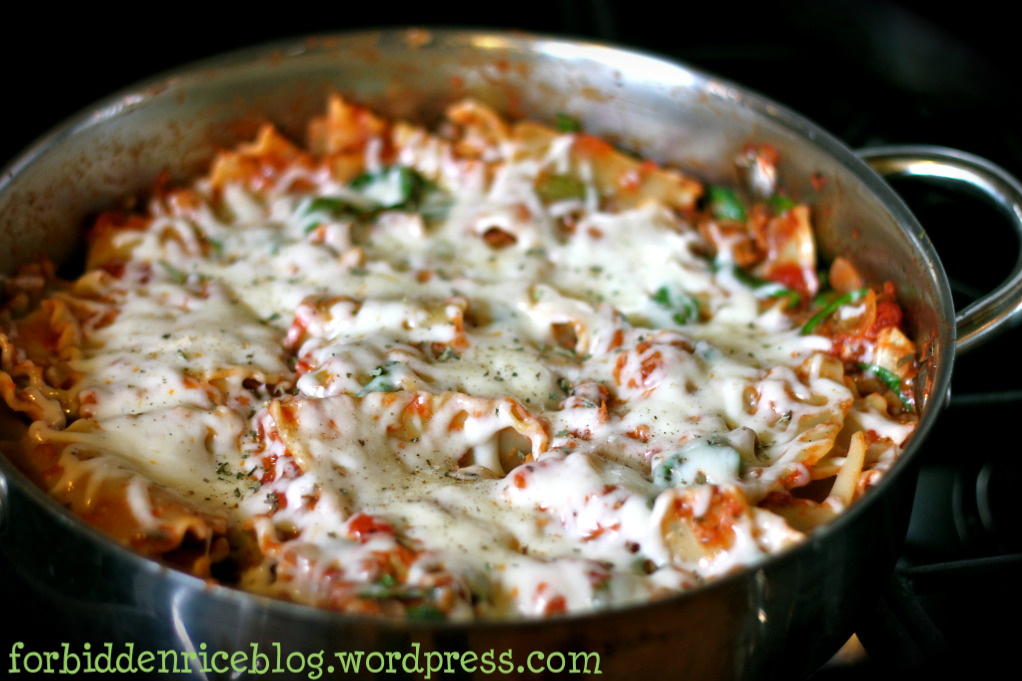
However, I’m discovering that my lack of planning leaves more days where I don’t know what I’ll be making for dinner even as it approaches. I made a loaf of sourdough bread the other night and had no idea what I would make to go with it. So I did what any normal person in this high tech age would do: I solicited the advice of my Facebook friends. While there were some fabulous ideas (tortilla soup, cheese soufflé, cioppino, chili, stew…) each of these things required a trip to the grocery store. Yikes. I raided the pantry and fridge instead and made a lazy girl lasagna.

While I am a full believer in the beauty of a homemade lasagna (seriously), it takes time. Time making various components that all add flavor, then the time it takes to layer everything, not to mention the time spent baking the damn thing. Sometimes I don’t want dinner to take a few hours to prepare. This skillet lasagna is perfect for that. It took the same amount of time to prepare that it took a 6 year old boy to read two books and do some math homework. Fully doable on a busy mid-week night. Or simply because it tastes good. :)

While this lasagna was made as a vegetarian meal, using vegan “sausage” (I prefer Field Roast’s vegan grain sausage), real Italian sausage (or whatever variety you prefer) is entirely okay as a carnivorous substitution. Simply make sure it’s cooked all the way through before adding your artichoke hearts and tomatoes to the sauce. Lasagna has never been more simple or delicious.


Vegetarian Skillet Lasagna

Ingredients:

10 lasagna noodles, broken into 2-inch pieces, cooked according to the package directions

1 tbsp. olive oil
½ a medium onion, diced
4 cloves garlic, minced
1 tsp. dried basil
1 tsp. dried oregano
½ tsp. sea salt
¾ tsp. ground black pepper
3 tsp. sun-dried tomato pesto
1 cup artichoke hearts, chopped
1- 28 oz. can fire roasted crushed tomatoes
2 ½ oz. fresh spinach, chopped
2 cups grated mozzarella
½ cup grated parmesan cheese
2 apple sage Field Roast sausages, cut in half lengthwise then in ¼” thick pieces

Directions:

In a large oven-proof skillet (I used a 12-inch stainless steel pan), heat the oil over medium-high. Sauté the onion and garlic until translucent. Add in the basil, oregano, salt, pepper, and pesto. Stir to combine everything well, cooking for 1-2 minutes.

Add in the Field Roast sausages, cooking for 5-6 minutes until the sausage is lightly browned. While the sausage is cooking, preheat the oven to 400ºF.

Add in the artichoke hearts and canned tomatoes, stirring well. Gently fold in the spinach in. Add the noodles in a few at a time, stirring to coat each additional noodle with some of the sauce. Stir in ½ a cup of the grated mozzarella and the parmesan cheese. Evenly arrange the noodles in your pan, then top with the remaining mozzarella.

Place the pan in your preheated oven until the top layer of mozzarella is melted to your liking. Serve hot.

Posted in Dinner, Kids, Life, Lunch, Vegetarian | Tagged , , , , , , , , , , , | Leave a comment

Homemade Sourdough Starter, Part 2


In my last post, I left off with a fourth day starter feeding. At this point (two more days in) I’ve been feeding my starter twice a day. Once in the morning, once in the early evening. Each feeding consists of 1 cup of unbleached flour, ¾ cup warm (85º F) water.

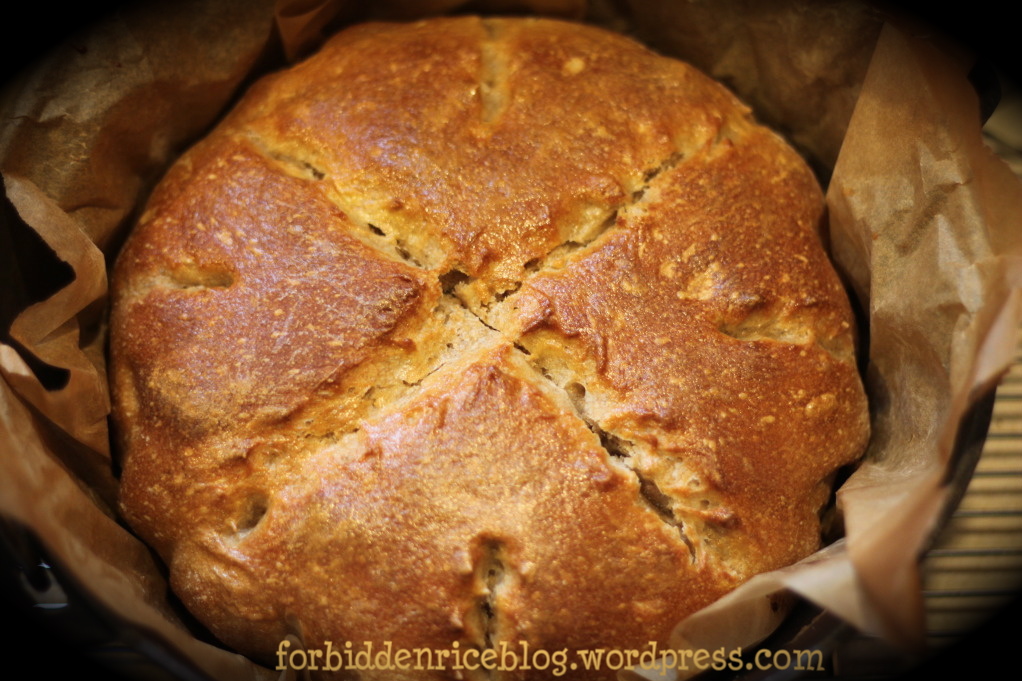
At this point, bubbly and beer-smelling, the starter is ready to be put to use. I opted for a loaf of rustic sourdough bread yesterday, based a recipe from Cat, of Neo-Homesteading. The bread came out perfectly crusty on the outside, moist and soft of the inside. I was disappointed in the taste, which has nothing to do with the recipe and everything to do with my fermenting.

Turns out if you leave your starter on the countertop, eventually feeding it twice a day, 5 days still isn’t enough to produce a starter “ripe” enough for baking. It’ll work, but the taste won’t be as developed.  I’m hoping that allowing the starter to ripen longer before my next baking attempt will produce a more sourdough-like taste.

The starter can be left out, so long as it is fed regularly. But at this point, if you don’t intend to feed it daily, keep the starter refrigerated. If refrigerated, you’ll want to feed the dough 1 cup of unbleached flour and ¾ cup warm (85º F) water once a week. When baking, remove the desired amount of starter then replenish what you’ve removed with equal weighted parts of water and flour.

The following recipe is what I used for my first loaf of sourdough bread. I’ve often had trouble with homemade bread being too dense, or consistently too crusty both on the outside and inside. This worked out perfectly.

Dutch Oven Sourdough Bread

based on a recipe by Cat Morrow

Ingredients:

1 cup sourdough starter
1½ cups warm water (100-115º F)
3 cups unbleached flour
1 cup whole wheat flour
2 tsp. sea salt *

* I completely forgot to add the salt to my dry ingredients before I already had my dough going. I decided to forego the salt, just to experiment. The bread still had a great taste, so while the original recipe called for salt, I’ll leave it up to you to decide how much you’d like to incorporate.

Directions:

In a bowl, combine the sourdough starter and warm water, stirring until combined. Add 1 cup of the unbleached flour and the salt, if you’re using it. Slowly add in the remaining unbleached and whole wheat flour, adding more or less flour as needed (the original recipe called for 2 cups unbleached flour, but I found I needed at least another cup plus more while kneading to create a ball of dough).

Knead the dough on a lightly floured surface for about 10 minutes, until you have a smooth and almost elastic-like ball of dough. Place in a lightly greased bowl, turning once to get both sides of the dough covered in oil. Cover loosely with cling wrap, then let the dough rise until doubled in size (timing depends on your climate; it took my dough about an 1½ hours).

Once the dough has doubled in size, punch it down and shape it into a ball by first folding in the edges, then turning the dough over and working it into a smooth ball. Transfer the dough to a lightly floured piece of parchment paper. Allow the dough to rest 30-45 more minutes.

Preheat the oven to 450º F with the dutch oven in the oven, allowing it to preheat as well.

When it’s time to bake your bread, quickly transfer the piece of parchment paper holding the dough ball into your dutch oven. Score the top of your dough as you like. Slightly dampen the lid of your dutch oven, then cover the pot and place in oven. Bake for 20 minutes with the lid on. After 20 minutes, remove the lid and bake for an additional 20-25 minutes.

Once the crust is your desired color, remove the bread from your oven and allow it to cool. Enjoy!

Posted in Baking, Bread, Life, Vegetarian | Tagged , , , , , , | 1 Comment

Homemade Sourdough Starter, Part 1

I am growing a colony. A little army of baby yeasts and bacteria. I am very excited. They may not take over the world, but I am in awe of these little organisms growing on my kitchen counter. The beginning of my current fascination with sourdough.

There’s a pizza place here in town whose crust is ridiculously good. It’s sourdough and perfect in consistency. But the pizza itself is something we save for special occasions, because one 16-inch pizza doesn’t quite feed two hungry growing boys, a pizza-loving husband, and a Julie who also apparently grows another stomach to make room for pizza consumption. And at $24, this plus another pizza isn’t exactly in the weekly budget. My ultimate goal with the above mentioned colony is to create a sourdough pizza at home that is equally as fulfilling.

I researched homemade sourdough starters for days. I’ll tell you right now – there are many, many variations and methods. Some folks use milk, water, acidic fruit juice, strictly filtered bottled water. Some use whole wheat flour, high protein flour, all-purpose flour. Some rely on commercial yeast, some rely solely on wild yeast. It’s overwhelming. I almost decided to forego my own starter entirely. Then I remembered my favorite Julia Child quote and certainly what has kept my interest in cooking:  “The only real stumbling block is fear of failure. In cooking you’ve got to have a what-the-hell attitude.” I decided to simply dive in. Try to attempt a starter. The worst things that could happen: the starter would grow mold and have to be thrown out then started over, or the whole thing wouldn’t work at all.

I started four days ago with a large glass container, milk, unbleached organic flour, and a scant amount of conventional yeast. This starter is also called the mother dough. With patience and care it can last for years and years… so long as you’re consistently replenishing what you use. The following is what I’ve done so far. Tomorrow I’ll attempt to use some of the mother dough to make either a loaf of sourdough bread or pizza dough. I haven’t decided which just yet. I’ll post a part two of this starter recipe along with the recipe I decide to try first.

Sourdough Starter (Mother Dough)

Ingredients:

1 cup milk (I used organic whole milk)
1 cup unbleached flour
½ tsp. conventional yeast

Directions:

In a large non-metallic jar or bowl (I am using an 80-oz glass jar), use a non-metallic spoon to stir together all the ingredients until well combined. Cover loosely with cheese cloth or simply a material that isn’t airtight.

Let stand for 2-3 days, stirring with a clean, non-metallic spoon every day. When the mixture appears bubbly and has a sweet-sour smell, you’ll know that your yeasts and bacteria are working. If a liquidly yellow-ish substance begins settling on top, simply stir the mixture. This liquid is referred to as hooch, simply the liquid byproduct of the metabolism going on with your bacteria and yeast. Nothing to fear!

On day 3, mix together 1 cup of flour and 1 cup of warm water (about 85ºF). Pour this into the mother dough then stir vigorously with a clean, non-metal spoon. Lightly cover and let sit for 24 hours. On day 4, repeat this process.

I’ll follow up this post tomorrow with where to go from here.

Posted in Baking, Bread, Life, Vegetarian | Tagged , , , , , , | 3 Comments

Cranberry Cashew Quinoa Salad

Within my cooking and (lack of) weekly meal planning, a part of me is always striving for some kind of balance. Maybe it’s because I’m a little OCD sometimes. Maybe it’s because we’ve always got so much going on, meals become one place in the day where it feels like I can regain some kind of balanced feeling for just a fleeting moment. Maybe it’s simply because my body tells me when it needs more whole grains, less butter, something green, something fruity, or something sweet.

The first time I had quinoa (keen-wa) was in a warm salad of dark steamed greens, fresh greens, black sesame seeds, quinoa and an avocado-based dressing. For my 17-year-old self, it was classified in my brain as interesting but certainly not something I took great note of. I’ve rediscovered quinoa, which is cool as a vegetarian cook, as these plant grains are a complete protein in and of itself, unlike wheat, oats, or rice.

I got the idea for this salad from the cold salad bar at our local co-op. Sometimes we go there for lunch or dinner and often there are so many salad choices I just get a little of everything. One particular favorite these days is a quinoa salad with cashews and cranberries. The following recipe isn’t theirs. In fact, strictly going by my memory, I don’t know if it even tastes similar. I do know that I enjoyed the following salad… and Craig, too. Six-year-old Silas, eh, not so much.


Cranberry Cashew Quinoa Salad

Ingredients:
1 cup dried quinoa
1¾ cups water
2½ tbsp. fresh lemon juice
3 tbsp. fresh orange juice
1½ tsp. balsamic vinegar
½ tsp. Japanese mirin
½ tsp. lemon zest
½ tsp. orange zest
1 cup dried cranberries
¾ cup raw cashews
1 tbsp. fresh basil, minced

Directions:

Rinse the quinoa in a fine mesh strainer, until the water drains clear rather than cloudy. Place the rinsed quinoa and water in a medium-sized pot over medium-high heat. Bring to a boil, then stir, cover, reduce heat to low. Simmer for about 15 minutes, or until the water has been completely absorbed. Fluff with a fork, then allow the quinoa to cool to room temperature.

Meanwhile, whisk together the lemon juice, orange juice, balsamic vinegar, mirin, lemon zest, orange zest, and basil.

In a large bowl, combine the room-temperature quinoa, cranberries, and cashews. Pour the whisked ingredients into the quinoa, stirring well to coat and combine everything. Cover and refrigerate at least one hour.

Serve cold.

Posted in Appetizer, Gluten-Free, Lunch, Salad, Sides, Vegan, Vegetarian | Tagged , , , , , , , , | Leave a comment

Vegetarian Chorizo, Cheese and Corn Empanadas

Most people thought of this past Sunday as Easter Sunday, which it certainly was… but April 8th was also National Empanada Day. I can’t remember where I first had these little Latin American and Spanish pockets of deliciousness, but I’ll tell you now—they leave a lasting impression. You’ll crave them at the most inopportune times. Then you’ll fulfill the craving and it will hit again within 24 hours. Maybe that’s just me and my family.

The dough I use to make these empanadas certainly doesn’t fall under “healthy.” But if you are looking for tasty, versatile, straightforward, easy, flaky… I’ve got you covered. Craig and I were discussing other possibilities for this dough: southern meat pies, southern crawfish pies, pizza-pocket type goodies, sweet hand pies covered in cinnamon and sugar. I’m excited to venture to all these things.

The filling for these particular empanadas centers around a vegan grain-meat sausage I discovered about a year ago. It’s available online here or here. We are fortunate to have access to many vegetarian grocery items here; I always forget that until we’re traveling or visiting elsewhere… That said, the flavor in these sausages is remarkable. It’s very similar in taste to real Mexican chorizo–spicy, smoky, delicious. Honestly, I’ve never had a Field Roast product I’ve disliked and they certainly aren’t paying me to say that!

These empanadas take a bit of time to prepare… but you will most definitely not be disappointed in your efforts! Money back guarantee. Or I’ll make you a batch myself.


Vegetarian Chorizo, Cheese and Corn Empanadas

Ingredients:

For the pastry dough:
16 oz. cream cheese, room temperature
2 sticks butter, room temperature
2¾ cups all-purpose flour (plus more for kneading)
½ tsp. salt

For the filling:
2 tbsp. olive oil
½ a large onion, diced
2 cloves garlic, minced
3 sweet peppers, diced (about 3 tbsp.)
4 Field Roast Chipotle sausages
8 oz. ground seitan (or 2 more Chipotle sausages)
1 cup sweet corn (frozen or fresh)
1 tsp. salt
½ tsp. dried thyme
½ tsp. dried oregano
½ tsp. ground black pepper
1 cup finely grated monterey jack cheese
1 cup finely grated sharp cheddar cheese

1 egg, beaten


Directions:

Prepare the dough in advance. In the bowl of a stand mixer, cream together the butter and cream cheese. Add in the flour and salt, mixing until the dough just comes together.

Turn the dough out to a lightly floured surface. Knead the dough for 2-3 minutes, until it’s no longer sticky and you have a ball of soft dough. Divide into two equal portions. Wrap each portion in plastic wrap, flattening slightly. Refrigerate for at least 4 hours.

Prepare the filling: Grind up the chipotle sausages and seitan in a food processor, until all the grounds are the same size (2-3 minutes).

Heat the oil in a large skillet over medium-high. Add the onions, garlic, and sweet peppers, sautéing until the onion is translucent. Add in the ground veggie meat, corn, salt, thyme, oregano, and black pepper. Continue cooking for about 5-10 minutes, until the veggie meat is slightly browned, the corn thawed, and everything is heated through. Remove from heat.

Prepare the empanadas: Preheat the oven to 450º F. Line a few baking sheets with parchment paper. Work with one portion of dough at  a time. I let the refrigerated dough sit for 5 minutes before trying to roll it out, as it will be very stiff! On a lightly floured surface, roll the dough to about ½-inch thick. Use a glass or biscuit cutter to cut about 6-7 rounds, about 3½ inches in diameter. Roll each cut out circle to about 1/8-inch thick, 6-7 inches wide. Gather the scraps and repeat this method, getting as many thin disks as you can. Repeat this process with the second portion of dough.

Place about 2½ tablespoons of filling on half of the rolled-out dough, leaving about 1 inch of space from the outside of your dough. Add a couple pinches of cheese on the top of your chorizo mixture (1-2 tablespoons). Fold over the top half of your dough, then starting from one side, fold the bottom edge over the top (like a pie crust…), packing the filling as tightly as you can without breaking the dough. Use a lightly floured fork to crimp the folded edges. Place on your prepared baking sheet. Repeat with all the rolled rounds of dough, spacing each empanada about a ½-inch from one another on the baking sheets. Brush the tops of your empanadas with the beaten egg.

Bake for approximately 15 minutes, until the top of each empanada is golden brown. Serve while still hot with sour cream or Mexican crema and hot sauce if desired.

Makes about 20 empanadas.

Posted in Appetizer, Baking, Dinner, Lunch, Vegetarian | Tagged , , , , , , , , , , , , , | 4 Comments

Peanut Butter Swirled Brownies

These brownies are often my go-to recipe for a last minute dessert. Really, what kind of logical person doesn’t constantly have butter, sugar, unsweetened cocoa, eggs, and flour on hand for times that require something sweet? Kidding. I often have half these ingredients in my cupboard or refrigerator, but have learned to keep them around simply for these brownies. They’re easy, delicious, all from scratch.

I didn’t grow up eating brownies from scratch. I was used to boxed mixes by Duncan Hines or Betty Crocker. Mixes that aren’t over-the-top terrible, but do include ingredients made for extended shelf lives, rather than taste and enjoyment. Once I figured out that homemade brownies are more or less just as simple as adding dry ingredients to a bowl, along with eggs and a liquid component, I never went back to pre-made mixes.

My desire for chocolate isn’t too radical. In fact, that craving is not something that I’m often bombarded with. I crave sweet things like vanilla milkshakes, carrot cake, sweet lemony things, and gingery cookies. Sometimes rich, dark chocolate. Minty chocolate. When I do get hit with The Chocolate Kick, these brownies are often at the forefront of my mind. They’re easy to whip up.

The peanut butter aspect I just added with my last batch and they turned out awfully tasty. How can you go wrong with peanut butter and chocolate, right? If you want, you can leave out the peanut butter mixture and make a pan of very straightforward brownies (I’d check the cooking time at 20 minutes if you go that route).


Peanut Butter Swirled Brownies

Ingredients:

For the brownies:
½ cup (1 stick) unsalted butter
¾ cup granulated sugar
¼ cup light brown sugar, packed
2 eggs, lightly beaten
1/3 cup unsweetened cocoa powder
½ cup all-purpose flour
¼ tsp. baking powder
¼ tsp. salt
1 tsp. vanilla extract
2 tbsp. chocolate chips (optional)

For the peanut butter swirl:
4 tbsp. butter, melted
¼ cup powdered sugar
¾ cup smooth peanut butter
¼ tsp. salt
1 tsp. pure vanilla extract


Directions:

Preheat the oven to 350º F. Line an 8×8” baking pan with parchment paper, leaving an overhang on at least two sides. Lightly grease the parchment paper with oil (or melted butter).

Prepare the brownie batter: In a saucepan, melt the butter over medium heat. Meanwhile, sift together the cocoa powder, flour, baking powder, and salt. Once the butter has melted remove the pan from your heat source. Whisk in the beaten eggs (quickly, so you don’t end up with pieces of cooked scrambled eggs in there!) and vanilla. Stir in the sifted dry ingredients until just combined. If using, add the chocolate chips. Pour the brownie batter into your prepared pan and set aside.

Prepare the peanut butter mixture: In a bowl, whisk together the melted butter, peanut butter, powdered sugar, salt, and vanilla until smooth and creamy.

Pour the peanut butter mixture into your brownie batter. Use a butter knife or spatula to swirl the peanut butter all throughout the brownies.

Bake for 25-30 minutes. If a toothpick inserted in the center comes out clean, or with just a few crumbs, the brownies are done. If raw batter’s still an issue bake for another 5-10 minutes (check doneness after 5). Allow the brownies to sit for at least 10 minutes, then cut to your preferred size and enjoy.

Posted in Baking, Dessert, Kids, Vegetarian | Tagged , , , , , , | Leave a comment

Creamy Cheesy Polenta

Honestly, I can’t tell you what the difference is between grits and polenta. I’ve read various things here and there, and the most I can gather is that both are a type of mush made from coarse ground corn: typically yellow corn for polenta, white corn for grits. Polenta is Italian, grits are American.

When I met my husband, he and the kids would ask for “cheesy grits” for breakfast or dinner now and then. What we call “grits” here isn’t like grits I’ve had in Southern-style restaurants, or down south for that matter. Its got a little more texture to it than the mush I’ve enjoyed.

If you’re going to try this recipe, I’d opt for buying polenta, not to be confused with corn meal of course. That’s what we get in bulk here in Ashland. Whatever you call it, this is tasty. I make a giant pot for breakfast, which we enjoy exactly like the following recipe. When doing something similar for dinner, I’ll often accompany it with homemade garlic-basil marinara to top it off with. That’s good, too. Polenta is great on its own, or served as a bed for meat, seafood, etc. Plus it’s pretty simple, straight forward, and the stirring isn’t too overwhelming.


Creamy Cheesy Polenta

Ingredients:
3 cups vegetable broth
3 cups milk
1½ cups polenta
1½ tsp. sea salt
1 tsp. black pepper
½ tsp. granulated garlic
½ tsp. dried thyme
3 tbsp. unsalted butter
1¾  cups shredded sharp cheddar cheese
2 tbsp. grated parmesan cheese
1 tbsp. fresh basil, minced fine

Directions:

Combine the broth, milk, salt, pepper, granulated garlic, and dried thyme in a heavy-bottomed pot. Bring to a low rolling boil.

Pour the polenta into the simmering liquid, stirring in a circular motion, to prevent the polenta from clumping up. Continue to cook for 20-30 minutes, stirring constantly. It’ll take a little while for the liquid to start being absorbed, so don’t fear if your polenta looks like the grains have settled on the bottom, leaving your cooking liquid at the top. Just keep stirring.

Once the cooking liquid has been absorbed and you’re left with a pot full of creamy, thick polenta, stir in the butter, cheeses, and fresh basil. Taste and add more salt or pepper to your liking.

Posted in Breakfast, Dinner, Gluten-Free, Kids, Lunch, Sides, Vegetarian | Tagged , , , , , , , | 2 Comments